
Spring is the Perfect Time to Plan Your Outdoor Projects
As we come to the end of winter, now is the perfect time to plan your outdoor projects for spring. Spring is the best time to start the projects because it gives plants ample time to grow strong roots before the heat of summer stresses them or the cold of winter forces them to go dormant, but before you do anything, you need a plan. Here’s some things to consider before spring arrives.
1. Decide What You Want to Accomplish
What do you want from your outdoor project? Why do you need it? This is the question you’ll have to answer before anything else. Has your lawn been wrecked by bad weather and now you need to repair it? Maybe you just want to add some flair to the yard for a more enjoyable living space. It could even be that you just need some touch-ups.
For example, if your lawn is struggling a bit, it may just be that your grass is too compressed. A little aeration will create space for water and nutrients in the soil, allowing your lawn to grow stronger and look nicer. A little trimming can make your trees and bushes look good as new without too much serious work. Little things like this can be done easily and with little time and money spent.
On the other hand, if you’re looking for some real landscaping renovations, then you’re going to have to consider the following:
2. Budget for Time and Money
The biggest consideration for any outdoor projects will be time and money. How much are you willing or able to spend and how much time do you have to do it. Without a proper budget, the expenses on your projects will add up quickly, resulting in you draining your cash reserves before you finish. All the money in the world also won’t make a difference if you don’t have the time to do it.
First things, decide how much money you can afford to spend. Work out a budget and with that in mind, choose projects that fit those expenses. Keep in mind how much time such projects take. If you can’t do it all yourself, you’ll have to hire people to help out and that will add more to the expense. Don’t forget that there’s no need to completely redo your whole yard at once. Managing your projects one step at a time across a few years is likely to be far easier to plan and budget for than trying to do everything at once.
3. F
ind Out What Materials Work Best
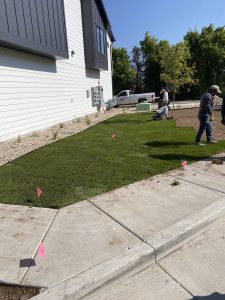
What you’re going for with your outdoor projects will play a role in what materials you need to buy. If you’re replacing sections of your lawn killed by pests or ruined by bad weather, you’ll need fresh sod. If you’re building a new garden, how do you want to frame it? You can go with wood or stone, but what materials look best with the flowers you want? Do you want the bulk of your yard space to be turf, gravel, brick paths? There are advantages and disadvantages to everything.
Grass is standard and helps keep things cool, but it can take a lot of water to keep it strong, especially here in Cache Valley. Gravel is cheap and needs no water, but constant foot traffic will knock some of it out of place. Bricks and stone also need no water and will tend to stay in place, but it’s a lot more work setting it up to make it look good. You might want a mix of the different possibilities, so plan around how much of each material you need to accomplish the look that works best.
4. Keep Maintenance in Mind
Remember that everything you do will require maintenance if you want to keep looking good. If you add a decorative pond, you’ll have to clean the water regularly to keep it from becoming a slimy, algae-ridden mess. An outdoor fireplace will need its ashes removed. Grass needs watering, while gravel and stone features may need repair over time. If you’ve got the ability to manage all the maintenance, or can afford to pay someone to do it for you, there are some amazing things you can do with your outdoor projects.
Design with maintenance in mind. Different designs will have different levels of need. Xeriscaping is a great design choice for minimum water usage and ease of care, going light on grass relying on wood chips and mulch to retain water, while using plants suited specifically to the amount of rainfall in your area can save a lot of money while also reducing how much care it needs to stay in shape. On the other end of the spectrum, a luxurious grass lawn is the standard and elaborate gardens can make for a very nice roadside view, but the more ornate you get, the more care it will require.
On the other hand, maybe maintenance is all you need to do this year. This is important if you want to keep the value of your home up. You’ll definitely have spring cleaning to deal with, but don’t forget other home care items like caulking windows, cleaning gutters, trimming hedges, repairing damaged grass, and so on. Do a quick check-up of your yard and make a list of everything that needs to be done, prioritizing the more serious repair jobs over the small fixes and upkeep.
5. Consider Lighting
Lighting often gets overlooked in design. Lighting is important if you plan to do any outdoor activities in the evening or at night. Even just walking up your driveway can be made much safer with motion-triggered floodlights (which may also deter burglars, if that’s a concern you have).
It’s more than just being able to see, though. Good lighting can create ambiance with soft lighting around central features. Solar-charged lanterns along paths can direct the eyes towards where you want to walk. Hanging lights can highlight areas at night to create emphasis on your yard’s best qualities. Talk to an expert on lighting to find out how you can get the best results. Properly planned lighting can add a lot of value to your home for surprisingly low costs.
6. Solar Power
Solar Power as a back-up or primary source of power for your home has become a more common sight in recent years. Whether its a few panels on the roof, a big fixture raised above the ground, or whatever way its set up, these panels need maintenance as well. If you have them in your yard, don’t forget to clean them so you can maximize the amount of light they absorb. Check for cracks in the glass or any signs of necessary replacement to avoid trouble.
Start Planning Your Outdoor Projects Now
It’s very important to get your outdoor projects done on time. A lot of projects will need time after finishing them if you want them to look their best. Sod, for example, is best planted as early in spring as possible. Some plants need to be planted at specific times as well. So, if you want to make sure that your projects are done on time and look their best, you’ll want to plan ahead before you need to start. Now’s the best time. Get prepped ahead of time and you’ll have much smoother sailing as you get your outdoor projects going.
